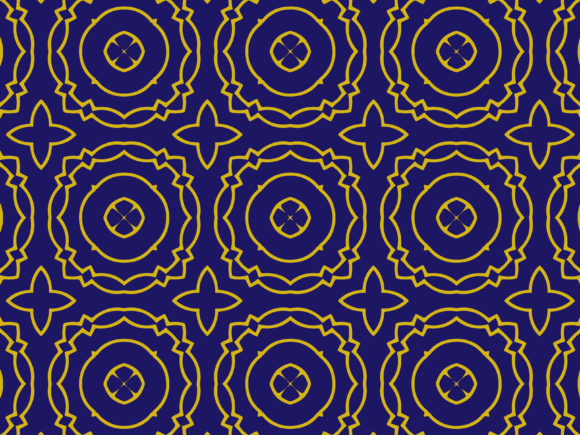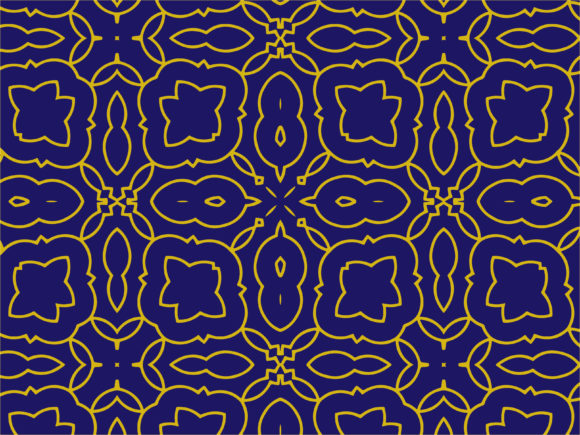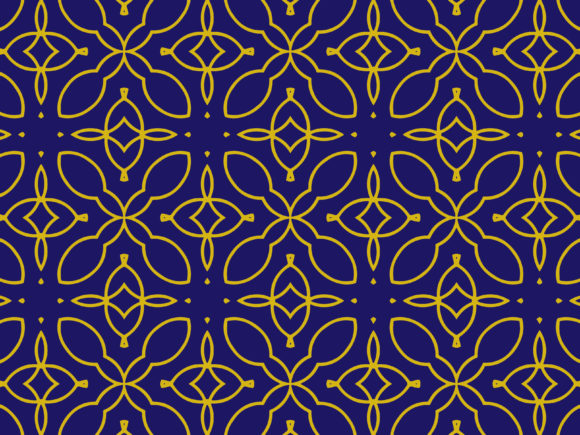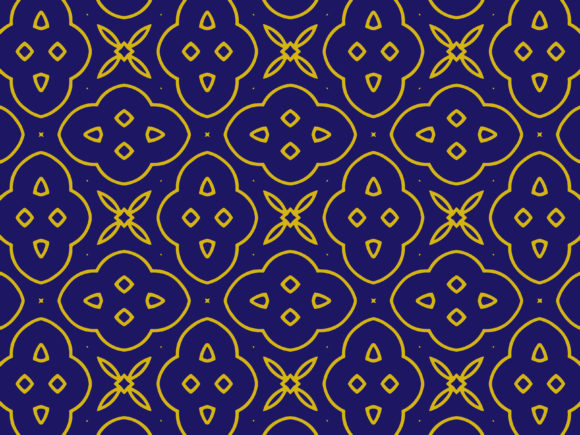
Islamic Pattern Illustration for Modern Design
The Pattern Islamic Religion Illustration has emerged as a powerful visual tool in contemporary graphic design, blending centuries-old artistic traditions with modern aesthetics. This intricate and symmetrical style, rooted in Islamic art and culture, offers endless creative possibilities for designers seeking to infuse elegance, cultural depth, and visual interest into their projects. Whether used as a background, decor element, or wallpaper, these patterns are not only visually striking but also rich in meaning, making them a valuable asset for branding, digital content creation, and more.
Elegance Meets Meaning: The Role of Islamic Patterns in Design
Islamic geometric patterns are renowned for their precision, symmetry, and complexity. These designs often feature repeating motifs, abstract shapes, and intricate lines that reflect the principles of balance and harmony. When integrated into modern design, they can add a sense of sophistication and cultural authenticity. From seamless tiling to vintage textures, these elements provide a unique visual language that resonates across different audiences and industries.
For graphic designers, the Pattern Islamic Religion Illustration is more than just an aesthetic choice—it's a way to communicate values, heritage, and identity. In branding, for example, these patterns can be used to create a strong visual identity that connects with Muslim audiences or those interested in Middle Eastern culture. They can also enhance user experience by creating a sense of calm, order, and visual flow in web design, packaging, and print media.
Practical Applications in Graphic Design
Here are some key areas where Islamic patterns can elevate your design work:
- Branding and Logo Design: Incorporating subtle Islamic motifs can help build a brand that feels authentic and culturally aware. Think about using minimalistic versions of traditional patterns in logos or icons.
- Social Media Graphics: Use Islamic patterns as backgrounds or overlays to create eye-catching visuals for Ramadan, Eid, or other cultural events. These designs can stand out on platforms like Instagram, Facebook, and Twitter.
- Website and UI Design: These patterns can be used as backgrounds, decorative elements, or even as part of the navigation to add a layer of depth and interest without overwhelming the user.
- Packaging Design: Luxury brands can use Islamic patterns to convey elegance and exclusivity. These patterns work especially well in product packaging for cosmetics, fashion, and home décor.
Tips for Selecting and Using Islamic Patterns Effectively
When choosing Islamic patterns for your design, consider the context, audience, and overall message you want to convey. Here are a few tips to guide you:
1. Focus on Simplicity: While Islamic patterns can be complex, it’s important to ensure they don’t overpower other design elements. Opt for simpler, more refined versions when working on digital interfaces or branding materials.
2. Pay Attention to Color: Traditional Islamic patterns often use muted tones, but modern interpretations can incorporate bold colors to match current design trends. Choose a color palette that aligns with your brand identity and enhances readability.
3. Ensure Scalability: If you're using these patterns as backgrounds or wallpapers, make sure they remain clear and legible at different sizes. Vector-based Islamic pattern illustrations are ideal for this purpose.
4. Match the Style: Consider whether you want a geometric, abstract, or ornate approach. Each style has its own visual impact and can be tailored to suit different design goals.
Incorporating Pattern Islamic Religion Illustration into your design workflow can open up new creative avenues while reinforcing cultural appreciation and visual storytelling. With thoughtful application, these timeless designs can enhance both the aesthetics and communication power of your projects, making them more engaging, meaningful, and memorable for your audience.