Background Pattern Islamic Illustration: A Timeless Design Element for Modern Spaces
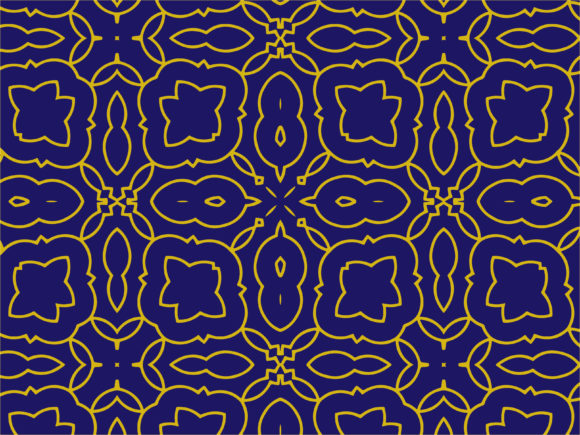
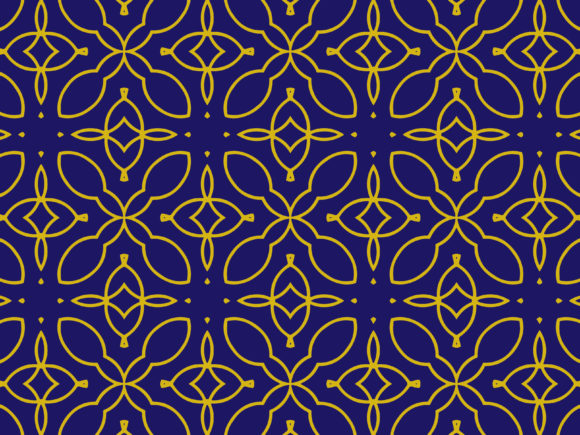
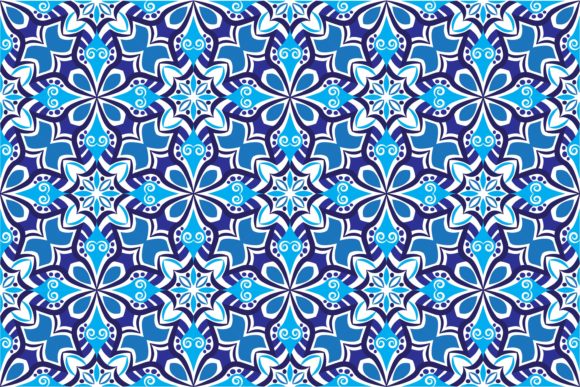
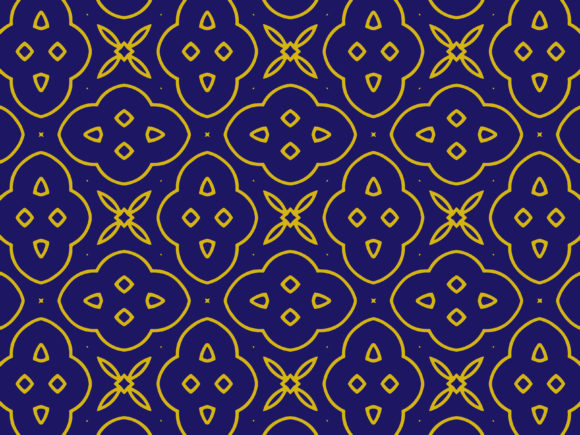
Background Pattern Islamic Illustration is a unique design element that draws from centuries-old traditions of Islamic art. This style combines intricate geometric shapes, flowing arabesques, and symmetrical motifs to create visually striking patterns suitable for backgrounds, decor, or wallpaper. Its appeal lies in its ability to blend cultural significance with modern aesthetics, making it a popular choice for those looking to incorporate elegance and tradition into their interiors or digital projects.
The essence of Background Pattern Islamic Illustration lies in its emphasis on symmetry, repetition, and the use of geometric forms. These elements are not only visually appealing but also carry deep cultural and religious meanings within Islamic art. The patterns often feature floral motifs, calligraphy, and abstract designs, all of which contribute to the ornate and decorative nature of this style.
Key Characteristics of Background Pattern Islamic Illustration
Several characteristics define Background Pattern Islamic Illustration, setting it apart from other design styles:
- Geometric Precision: Islamic patterns frequently employ precise geometric shapes such as circles, triangles, and polygons. This precision creates a sense of order and balance that is both calming and aesthetically pleasing.
- Symmetry and Repetition: Symmetry is a hallmark of Islamic design. Patterns often repeat seamlessly across surfaces, creating an illusion of infinite space and harmony.
- Calligraphic Elements: Arabic calligraphy is a prominent feature in many Islamic illustrations. It adds a layer of cultural depth and sophistication to the design.
- Use of Color: While some traditional Islamic designs use monochromatic schemes, modern interpretations often incorporate vibrant colors to suit contemporary tastes.
Comparing Background Pattern Islamic Illustration with Other Styles
When considering Background Pattern Islamic Illustration, it's important to compare it with other popular design styles to understand its unique position in the world of interior and graphic design.
Modern Minimalism: Unlike the minimalistic approach that emphasizes clean lines and neutral tones, Islamic illustration offers a more elaborate and detailed aesthetic. While minimalism may be better suited for spaces that require a calm and uncluttered feel, Islamic patterns can add richness and complexity to a room or digital project.
Traditional Eastern Motifs: Similar to other Eastern motifs, Islamic patterns share a focus on intricate detailing and symbolism. However, Islamic illustration is distinct in its use of geometry and its strong connection to religious and cultural heritage.
Mosaic Art: Mosaic art, particularly Moroccan and Arabian mosaics, shares similarities with Islamic illustration in terms of its use of repetitive patterns and color. However, mosaic art typically involves small tiles arranged to form images, while Islamic illustration relies more on line work and abstract shapes.
Vintage Decor: Vintage decor often features ornate details and rich textures, much like Islamic illustration. However, vintage styles tend to be more eclectic and less structured, whereas Islamic patterns emphasize symmetry and balance.
Applications of Background Pattern Islamic Illustration
Background Pattern Islamic Illustration is versatile and can be used in various contexts, including interior design, digital media, and product decoration.
Interior Design: In home decor, Islamic patterns can be used as wall coverings, upholstery, or even in furniture design. They are especially effective in creating a sense of grandeur and cultural authenticity in spaces such as living rooms, dining areas, and prayer rooms.
Digital Media: In the digital realm, Islamic patterns are commonly used as background designs for websites, mobile apps, and social media graphics. Their seamless repetition makes them ideal for creating visually cohesive interfaces without overwhelming the user.
Product Decoration: From textiles to ceramics, Islamic patterns can be applied to a wide range of products. They add a touch of elegance and cultural flair, making them a popular choice for designers and artisans alike.
Strengths and Limitations of Background Pattern Islamic Illustration
While Background Pattern Islamic Illustration has many strengths, it is important to consider its limitations to determine if it is the right choice for a particular project.
Strengths:
- Cultural Significance: Islamic patterns have a rich history and are deeply rooted in Islamic culture, making them a meaningful choice for those who appreciate tradition and heritage.
- Versatility: These patterns can be adapted to various formats and mediums, from digital backgrounds to physical decor items.
- Elegance and Sophistication: The intricate detailing and symmetrical composition of Islamic patterns add a sense of refinement and sophistication to any space or design.
Limitations:
- Complexity: The intricate nature of Islamic patterns can be overwhelming in certain contexts, particularly in spaces that require a simpler or more modern aesthetic.
- Cultural Sensitivity: When using Islamic patterns, it is important to be mindful of cultural context and ensure that the design does not misrepresent or appropriate the culture.
- Design Challenges: Creating a seamless and balanced Islamic pattern requires a high level of skill and attention to detail, which may be challenging for inexperienced designers.
Choosing the Right Design for Your Needs
Deciding whether Background Pattern Islamic Illustration is the right choice depends on several factors, including the intended use, personal preferences, and the overall design goals.
If you're looking to create a space that reflects cultural heritage or incorporates traditional elements, Islamic patterns can be an excellent choice. They are particularly well-suited for spaces that aim to evoke a sense of elegance, spirituality, or historical significance.
On the other hand, if your project requires a more modern or minimalist aesthetic, you may want to explore alternative design options that align better with your vision. It's also worth considering the scale and complexity of the pattern—some Islamic designs may be too intricate for certain applications, while others can be simplified to suit different needs.
In conclusion, Background Pattern Islamic Illustration offers a unique blend of cultural richness and artistic beauty. Whether used in interior design, digital media, or product decoration, these patterns can add depth, meaning, and visual interest to any project. By understanding their characteristics, strengths, and limitations, you can make an informed decision about whether they are the right choice for your needs.