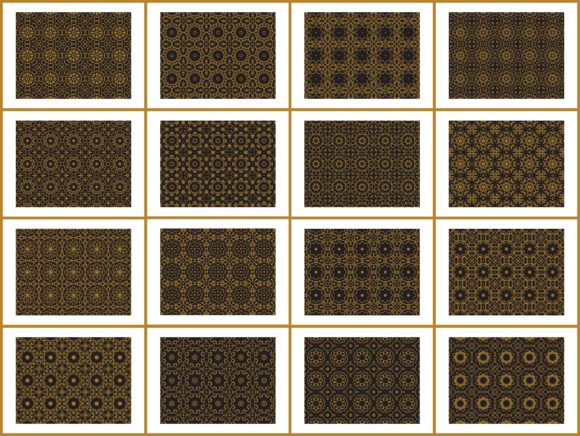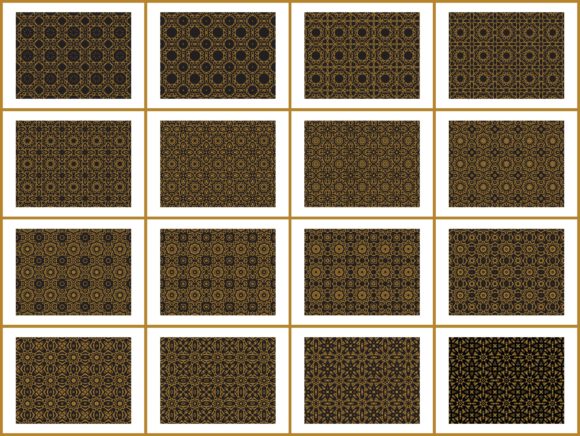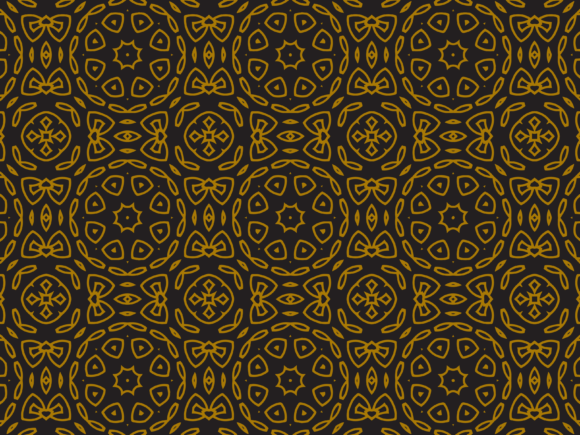
Pattern Gold Lines: A Modern Approach to Decorative Design
Pattern Gold Lines represents a unique intersection of traditional design elements and contemporary aesthetics. This style blends the elegance of gold with the precision of geometric shapes, creating a visual language that is both luxurious and versatile. Whether used in digital media, print, or physical decor, Pattern Gold Lines offers a refined way to incorporate metallic accents into various design contexts.
What Defines Pattern Gold Lines?
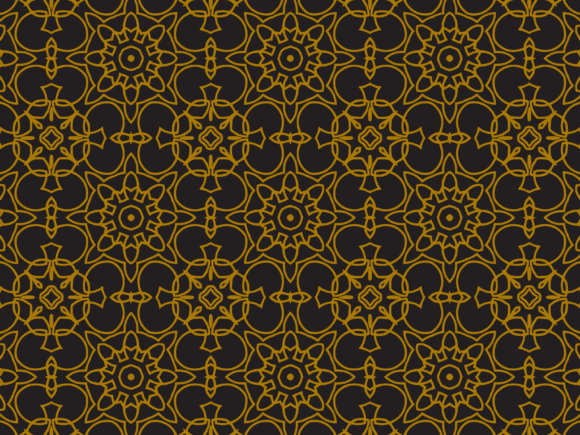
At its core, Pattern Gold Lines refers to a decorative motif characterized by thin, golden lines arranged in repeating patterns. These lines can be straight, curved, or angular, often forming intricate geometric compositions. The use of gold adds a sense of opulence, while the structured layout ensures visual harmony and balance.
This design style is commonly found in vector graphics, abstract illustrations, and seamless wallpapers. Its appeal lies in its adaptability—it can serve as a subtle background element or take center stage in more elaborate compositions.
Applications and Use Cases
The versatility of Pattern Gold Lines makes it suitable for a wide range of applications:
- Interior Decoration: Used in vintage-inspired home décor, these patterns can enhance furniture, wall coverings, and decorative objects.
- Digital Media: Ideal for modern websites, mobile apps, and social media content where a touch of luxury is desired without overwhelming the user interface.
- Print Materials: Incorporating Pattern Gold Lines into business cards, brochures, and packaging can elevate the perceived value of a product or brand.
- Art and Illustration: Artists and designers use this pattern to create luxury-themed artwork, often blending it with other textures and colors to produce dynamic visuals.
Its seamless nature also makes it an excellent choice for backgrounds in graphic design projects, ensuring that the focus remains on the main content while still adding a layer of sophistication.
Comparing Pattern Gold Lines with Similar Styles
While Pattern Gold Lines has its own distinct identity, it shares similarities with several other design styles. Understanding these parallels can help in making informed choices about when and how to use this pattern effectively.
Gold Leaf vs. Pattern Gold Lines
Gold leaf designs typically involve the application of real gold leaf onto surfaces, resulting in a rich, textured appearance. In contrast, Pattern Gold Lines uses digital or printed representations of gold, offering a more consistent and scalable solution. While gold leaf is often associated with antique or handcrafted aesthetics, Pattern Gold Lines leans toward modern minimalism.
Geometric Patterns vs. Abstract Designs
Geometric patterns are defined by their strict adherence to mathematical shapes and symmetry. Pattern Gold Lines falls within this category but introduces an abstract quality through its fluidity and variation in line placement. This allows for greater creative freedom compared to purely geometric designs, which may appear rigid or overly structured.
Vintage Art vs. Contemporary Illustrations
Vintage art often features ornate details and aged textures, whereas Pattern Gold Lines maintains a clean, modern feel. However, the inclusion of gold in this pattern can evoke a sense of nostalgia, making it a bridge between traditional and contemporary design sensibilities.
Strengths and Limitations
No design style is without its tradeoffs, and Pattern Gold Lines is no exception. Understanding its strengths and limitations can guide decision-making in different contexts.
Strengths:
- Luxurious Appeal: The use of gold instantly conveys a sense of prestige and elegance, making it ideal for high-end branding or special occasions.
- Adaptability: It can be scaled easily for both small and large formats, from business cards to wallpaper and backdrops.
- Visual Balance: The structured yet fluid composition of lines ensures that it complements rather than competes with other design elements.
Limitations:
- Overuse Risk: If not applied thoughtfully, the repetitive nature of the pattern can become distracting, especially in minimalist settings.
- Color Contrast: The effectiveness of Pattern Gold Lines depends heavily on the surrounding colors. Poor color choices can diminish its impact or make it difficult to read.
- Cultural Context: While gold is widely associated with luxury, its symbolism can vary across cultures, so it's important to consider the target audience before using this design in global contexts.
When to Choose Pattern Gold Lines
Pattern Gold Lines is best suited for situations where a touch of luxury is desired without sacrificing clarity or functionality. Here are some scenarios where this design excels:
- High-End Branding: For brands aiming to convey exclusivity and sophistication, incorporating Pattern Gold Lines into logos, packaging, or marketing materials can reinforce this image.
- Elegant Interior Spaces: When designing spaces such as lounges, offices, or event venues, this pattern can add a subtle yet impactful layer of refinement.
- Modern Digital Interfaces: Websites and apps that aim for a polished look can benefit from using Pattern Gold Lines as a subtle background or accent.
However, if the goal is to create a bold or avant-garde aesthetic, alternatives such as abstract vector art or bold geometric patterns might be more appropriate. Similarly, in environments where simplicity is key, a more subdued approach would likely be better.
Design Tools and Resources
Creating or customizing Pattern Gold Lines can be done using a variety of tools. Vector-based software like Adobe Illustrator or Inkscape allows for precise control over the thickness, spacing, and curvature of the lines. For those looking to integrate this pattern into digital projects, online platforms such as Canva offer pre-designed templates that include variations of this motif.
For physical applications, such as decorative wall coverings or printed textiles, working with a professional designer or using high-quality printing services ensures that the gold tones remain vibrant and consistent.
In summary, Pattern Gold Lines provides a compelling option for designers and creators seeking to blend luxury with modern minimalism. Its adaptability, visual appeal, and versatility make it a valuable asset in both digital and physical design contexts. By understanding its strengths, limitations, and appropriate use cases, you can make more informed decisions about whether this style aligns with your project goals.